
Product quality is a red line that can never be crossed.
PINKLE Companies, CEO
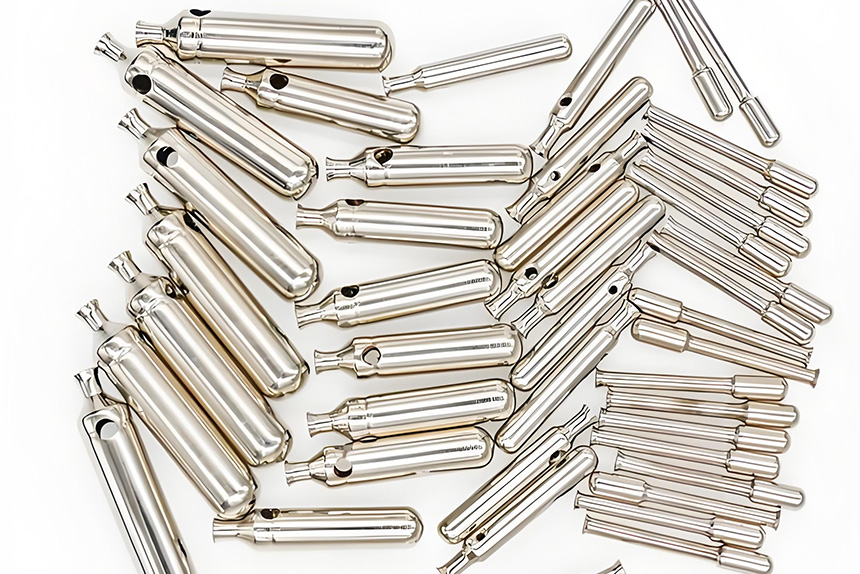
Introduction to Hollow Copper Pin
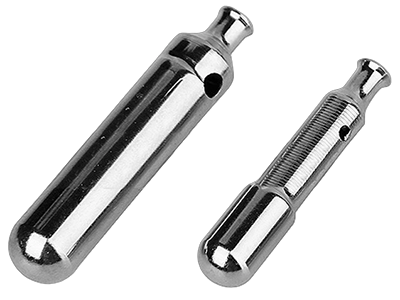
Large South Africa or Small South Africa Hollow Copper Foot South Africa Plug (Type M Plug), in compliance with South African standard SANS 164, features a stamped hollow structure (often reinforced with plastic) with pins that are more environmentally friendly and cost-effective compared to solid copper feet. However, it has slightly weaker strength and is widely used as a 220V/16A power plug in South Africa and some African and Asian countries.
Hollow feet vs. solid feet: The inner cavity of hollow feet is often reinforced by injection molding, with slightly lower conductivity but more environmentally friendly and easy to process; Solid feet are machined with whole copper, which provides better mechanical strength and conductivity, but comes at a high cost and carries a high risk of lead content.
Attention: Hollow pins do not mean inferior quality. As long as they comply with SANS 164 and IEC 60884, and are certified (such as SABS), they can be used safely; But inferior imitations may use thin-walled hollow feet and recycled plastic, which poses a risk of overheating.
P26053

product attributes
Material :PBT UL94V-0
Color :Black,White
AWG &Applicable Size :0.5~1.0mm²
Ampere :16A
Applicabie Standard :SANS 164-1
service related FAQ’s
Key components include sourcing, production, inventory management, distribution, and customer service.
TQM is a management approach focused on continuous improvement, customer satisfaction, and employee involvement in quality control processes.
Predictive maintenance uses data analysis and machine learning to predict when equipment failure is likely to occur, allowing for maintenance to be performed before issues arise.
Factories can reduce energy consumption through measures such as upgrading equipment, optimizing processes, implementing energy-efficient technologies, and using renewable energy sources.
Industry 4.0 refers to the integration of digital technologies such as IoT, AI, and data analytics into manufacturing processes to create smart factories.